

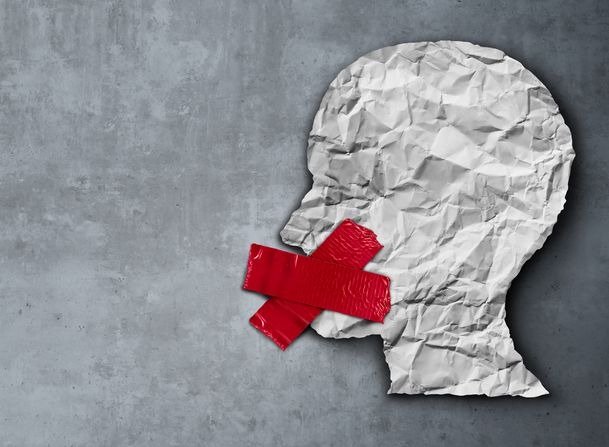
In today’s hyperconnected digital landscape, a single moment can reshape a brand’s reputation overnight. Social media has amplified public voice, giving consumers unprecedented power to hold organisations accountable. While this shift has increased transparency, it has also intensified scrutiny making PR and reputation management more critical than ever.
For modern communication firms like Equations PR & Media, navigating the era of cancel culture is not just about crisis control it’s about building resilient brands grounded in trust, authenticity, and proactive communication.
Understanding Cancel Culture and Its Impact on Brands
Cancel culture refers to the collective public call-out of individuals or organisations perceived to have acted irresponsibly or unethically. With social platforms acting as real-time newsrooms, reputational crises now unfold faster than traditional response cycles.
For brands, the implications include:
- Instant reputational damage
- Loss of consumer trust
- Financial and stakeholder impact
- Long-term brand perception shifts
This reality has made reputation risk management a boardroom priority rather than just a communications function.
The Shift from Reactive PR to Proactive Reputation Building
Historically, PR teams stepped in after a crisis emerged. Today, the focus is on anticipation and prevention.
Key proactive strategies include:
- Continuous media and sentiment monitoring
- Strong internal communication frameworks
- Clear brand values and governance policies
- Scenario planning and crisis simulations
Proactive reputation building ensures that when challenges arise, brands already have credibility capital to rely on.
Authenticity and Transparency: The New Reputation Currency
Audiences today expect brands to be human, accountable, and transparent. A defensive or scripted response often escalates backlash, while honest communication helps rebuild trust.
Effective responses typically include:
- Acknowledgement of the issue
- Clear accountability
- Tangible corrective action
- Ongoing dialogue
Authenticity is no longer optional it is the foundation of modern reputation management.
The Role of Digital Listening and Real-Time Response
Advanced analytics tools now enable PR teams to track conversations, identify emerging risks, and respond before issues escalate.
Real-time reputation management involves:
- Social listening dashboards
- Rapid response protocols
- Cross-functional coordination
- Consistent messaging across platforms
Speed matters but accuracy and tone matter even more.
Integrating ESG and Purpose into Reputation Strategy
Cancel culture often stems from perceived misalignment between a brand’s messaging and its actions. This is why ESG (Environmental, Social, Governance) and purpose-driven narratives are becoming central to PR strategy.
Brands that embed purpose authentically into operations rather than using it as a marketing tool are more resilient during crises.
Best Practices for Managing Reputation in a High-Scrutiny Environment
1. Build Reputation Before You Need It
Consistent storytelling, thought leadership, and stakeholder engagement create a strong foundation.
2. Establish Clear Crisis Protocols
Preparedness ensures swift, confident responses.
3. Communicate with Empathy
Tone often determines public perception more than the message itself.
4. Learn and Evolve
Post-crisis analysis helps strengthen long-term brand resilience.
The Future of PR in a Cancel Culture Landscape
As digital discourse continues to evolve, PR will increasingly focus on:
- Reputation intelligence
- Ethical storytelling
- Community engagement
- Long-term trust building
The role of PR professionals is expanding from storytellers to reputation architects, shaping how brands are perceived across every stakeholder touchpoint.
Cancel culture has redefined the stakes of brand communication. In this environment, reputation is not just built through campaigns it is built through consistent behaviour, transparent communication, and meaningful engagement.
Brands that invest in proactive PR and authentic narratives will not only withstand scrutiny but emerge stronger, more credible, and more trusted in the long run.
